
The search marketing landscape is experiencing its most profound transformation in 15 years. Classic SEO focused almost exclusively on securing a top-three organic ranking in standard search engines. Today, visibility is governed by generative algorithms and autonomous answer engines: Google AI Overviews, ChatGPT Search, Perplexity, Microsoft Copilot, and localized assistants.
Users are bypassing traditional search engine results pages (SERPs) and organic blue links. Instead, they receive synthesized multi-source summaries, personalized recommendations, and can even complete end-to-end commercial transactions directly within conversational interfaces.

For decades, search marketers followed a simple routine: track rank positions across target keywords and celebrate reaching the top of the SERP. Today, businesses relying solely on this metric suffer from “search myopia.”
Search myopia occurs when organizations focus exclusively on their own on-page text and legacy organic rankings, ignoring the vast external data pipelines that Large Language Models (LLMs) use to formulate answers.
When a decision-maker asks ChatGPT or Perplexity: “Recommend an enterprise industrial automation vendor with nationwide equipment delivery and 24/7 field engineering support,” the model does not run a simple keyword match or rank domains by backlink quantity.
Instead, the model queries a multi-layered hybrid architecture:
- Search Grounding: Pulling real-time external data via search APIs at the moment of query generation.
- Pre-training Datasets: Core knowledge bases establishing brand entities and historical authority.
- Licensed Structured Databases: Direct enterprise API connections feeding live pricing, inventory levels, and verified customer reviews.
If an organization is absent from the specific databases that algorithms trust, it remains invisible to high-intent buyers using AI-driven search.
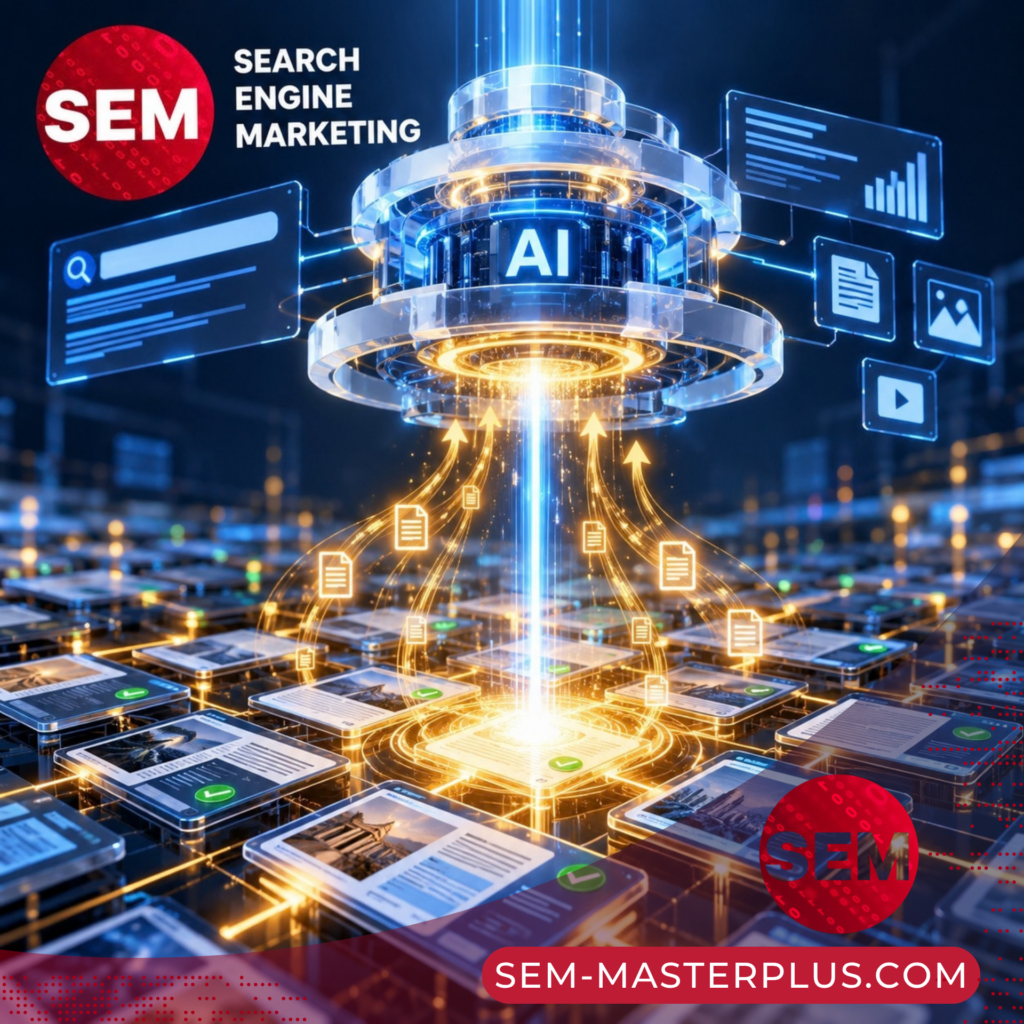
[Tier 1: Operational Grounding & Direct Action] ➔ Real-time APIs, Maps, Merchant Feeds │ [Tier 2: Model Fine-Tuning & Strategic Licensing] ➔ Publisher deals, Live B2B Catalog Feeds │ [Tier 3: Foundational Pre-training Corpora] ➔ Common Crawl, C4, Academic & Historical Archives │ [Tier 4: High-Probability Platforms] ➔ Wikidata, Marketplaces, Specialized Niche Forums
Models access Tier 1 sources in real time during response generation to prevent hallucinations and supply valid citations:
- Search Grounding Engines: Gemini connects directly to Google Search Grounding; Microsoft Copilot relies on the Bing index. Source citations are generated dynamically based on crawling accessibility, schema structure, domain authority, and semantic query alignment.
- Geospatial and Entity Services (Google Business Profile, Apple Maps, Regional Mapping Engines): Local business context is pulled directly from verified profiles. Profile completeness, geographic coordinates, operational hours, and customer reviews determine whether a brand appears in localized AI recommendations.
- Direct Action Integrations: In-chat interfaces now feature embedded functional triggers, such as table reservations or direct quote requests.
- Merchant and Hotel Centers: Live product availability and hotel pricing are not scraped from raw HTML on the fly; they are retrieved from structured merchant inventory feeds.
These platforms are licensed directly by AI labs for regular fine-tuning, retrieval augmentation, and domain-specific training:
- Direct Product Feeds: E-commerce catalogs submit authenticated JSON/CSV data streams containing specifications, prices, real-time inventory, and media assets directly into conversational ecosystems.
- Licensed Media Partnerships: AI developers establish licensing agreements with primary news organizations and business publishers, granting models legal access to paywalled editorial archives.
- Technical Repositories and Documentation Hubs: Verified open-source repositories, developer documentation portals, and structured Q&A hubs provide foundational training for technical problem-solving.

These repositories form the historical baseline of contemporary LLMs:
- Common Crawl: A massive open-web archive that constituted roughly 60% of the initial GPT-3 training mix and up to 67% of early LLaMA models.
- C4 (Colossal Clean Crawled Corpus): A heavily curated, de-duplicated iteration of global web archives.
- Historical News and Scientific Repositories: Peer-reviewed journals, patents, and historical press libraries. While Tier 3 cannot be influenced retroactively, publishing authoritative research across the open web ensures brand incorporation into future model training runs.
These platforms are heavily weighted during retrieval steps even in the absence of public licensing contracts:
- Major E-Commerce Marketplaces: Product data hubs with massive transactional authority.
- Alternative Geospatial Platforms (OpenStreetMap, TripAdvisor, Foursquare): Secondary validation layers used to verify physical entities.
- Wikidata and Semantic Knowledge Graphs: Structured relational networks defining entities, parent corporations, founders, and product lines.
- Niche Professional Communities: Curated industry forums and specialized technical message boards.
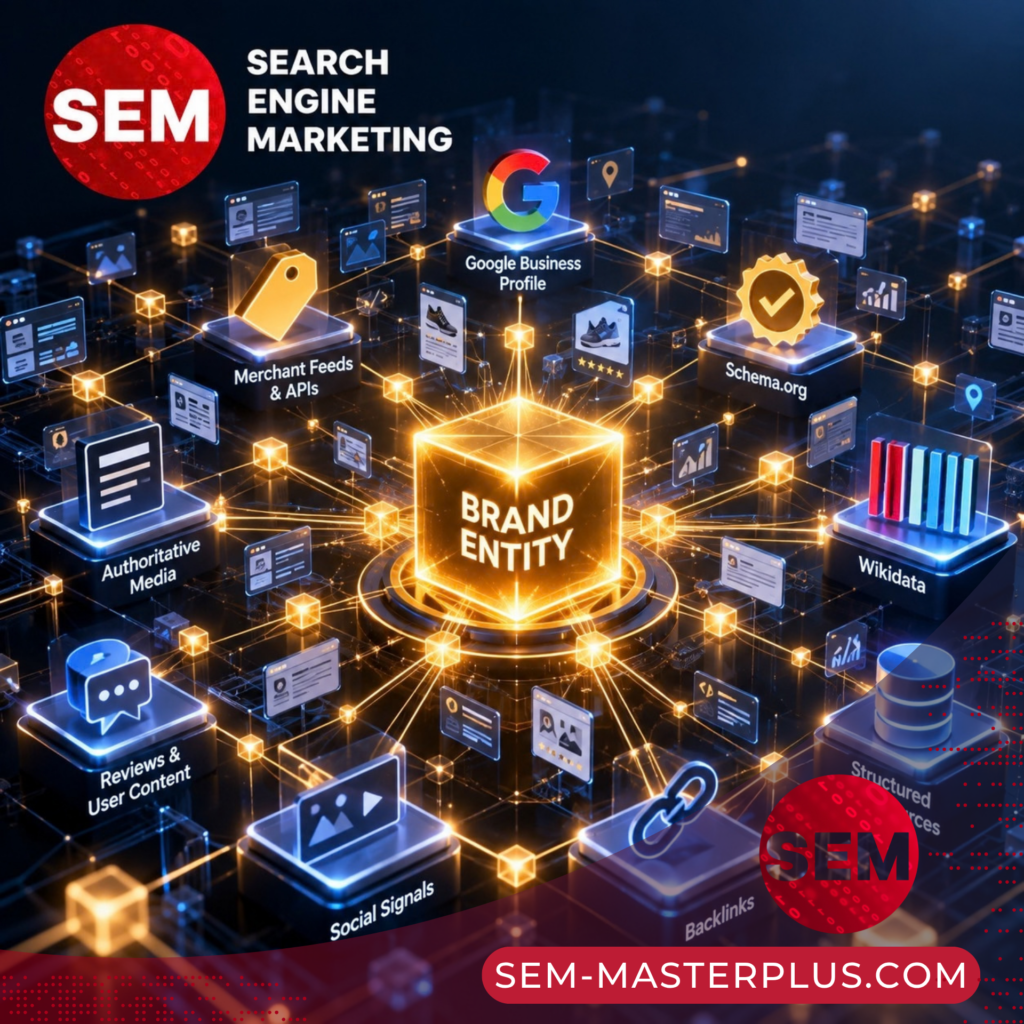
Digital commerce is transitioning from user-driven search to autonomous agent execution. Buyers are moving away from manual filtering across browser tabs. Instead, users issue programmatic directives to an AI agent:
“Find a wireless call center headset featuring active noise cancellation under $200 that is in stock for next-day delivery, and process the purchase order.”
For an e-commerce platform to qualify for autonomous agent fulfillment:
- Product Feeds Must Be Exact: Maintain standardized GTIN/EAN identifiers, clear SKU mapping, accurate taxonomy categorization, and real-time inventory tracking within Google Merchant Center and equivalent shopping platforms.
- Deploy Schema.org Microdata: Mark up product pages using
Product,Offer,AggregateRating, andMerchantReturnPolicyschemas. Fast-crawling AI scrapers rely on structured microdata to validate transactional safety in milliseconds. - Permit AI Crawlers: Blocking user-agents like
GPTBot,PerplexityBot, orGoogle-Extendedin yourrobots.txtfile cuts your business off from commercial traffic flowing through generative search platforms.
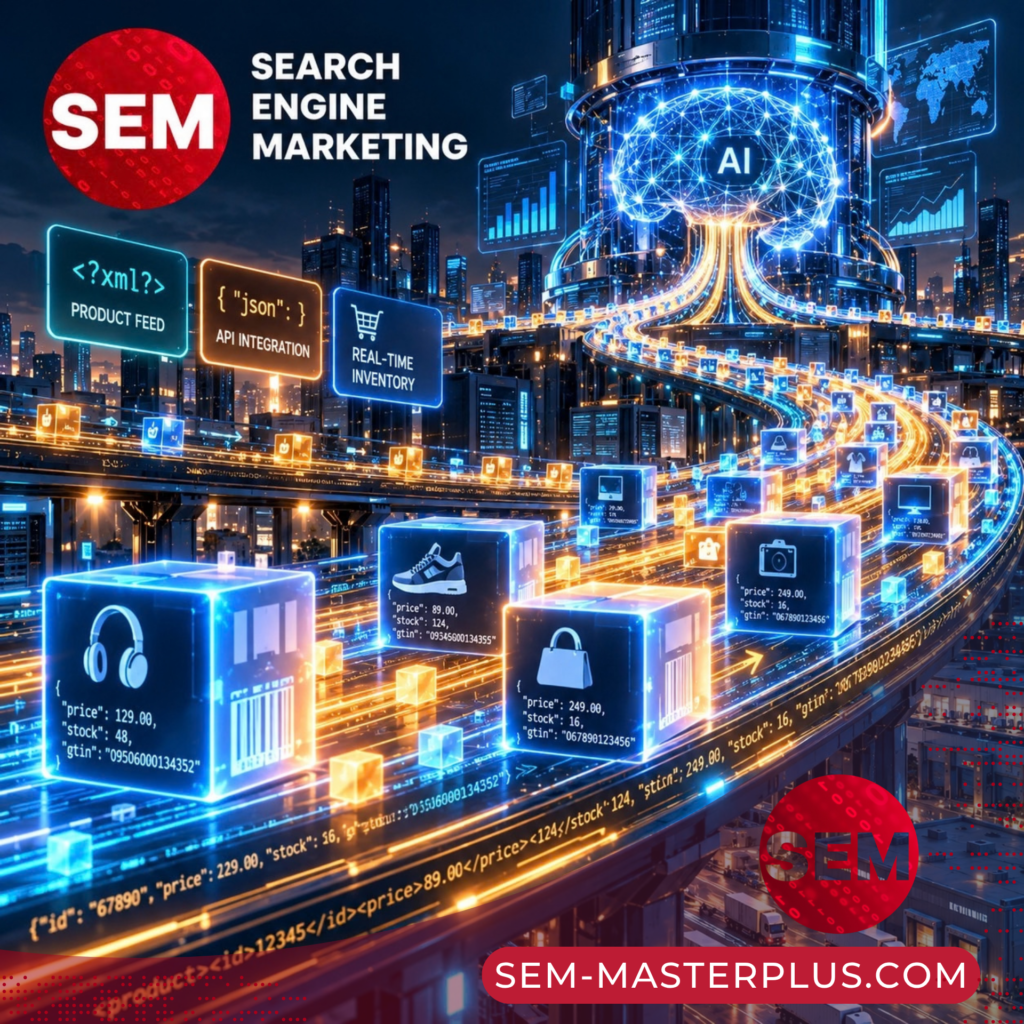
Local search algorithms evaluate entities through independent third-party corroboration.
- Primary Mapping Registries: Enterprise visibility requires verified, actively managed records across Google Business Profile, Apple Maps, and dominant regional directories.
- Sentiment and Contextual Review Quality: Generative algorithms evaluate the semantic depth and authenticity of user reviews. Repetitive, generic comments are filtered out. Algorithms prioritize operational detail: customer service responsiveness, fulfillment speed, and concrete issue resolution.
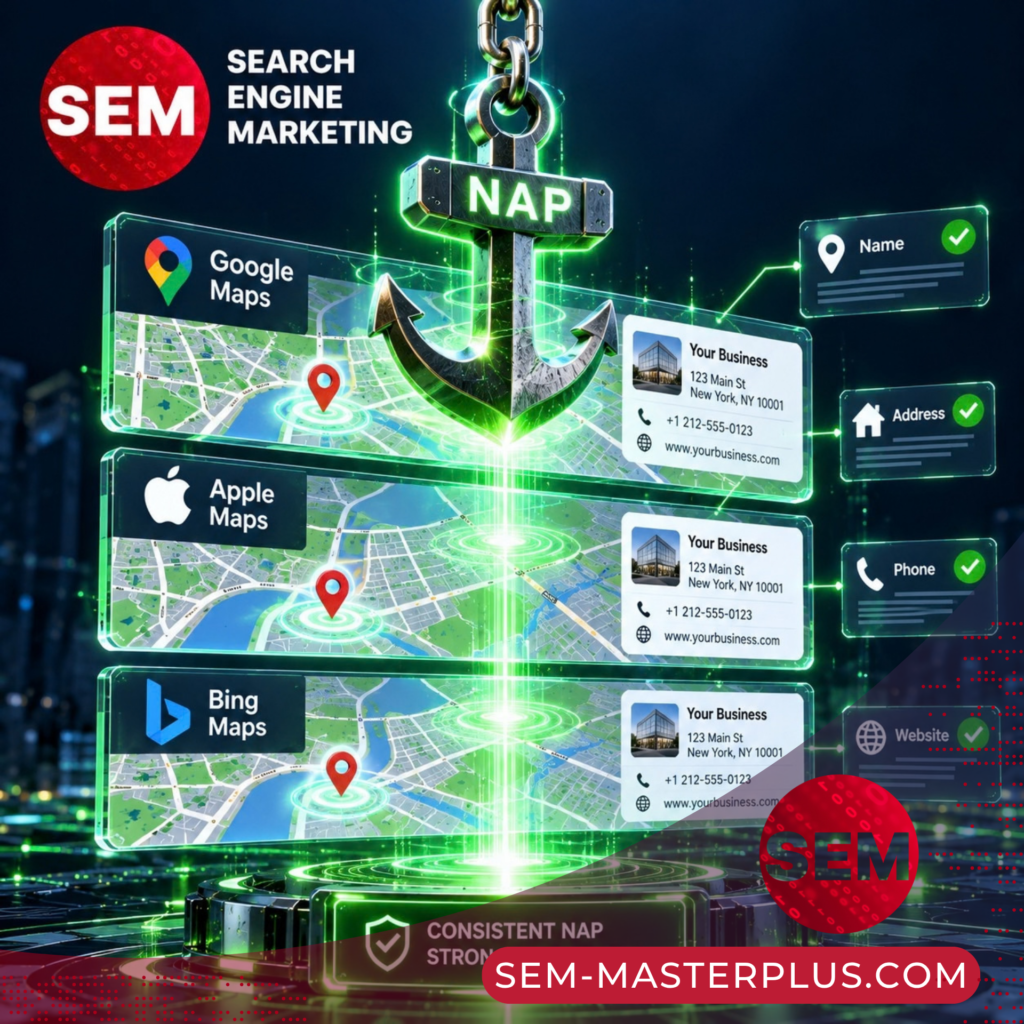
- NAP Consistency (Name, Address, Phone): Discrepancies in corporate names, addresses, or phone formats across web properties fragment your brand entity. Unified data across all directories creates a singular entity that generative engines can safely reference.
Why do major search engines pay millions of dollars annually for real-time access to community platforms like Reddit?
Because the open web is flooded with generic, programmatic content produced to game legacy keyword algorithms. Search engines and human users prioritize documented human experience (the “Experience” pillar in E-E-A-T).
Maintain an Active Technical Presence: Publish teardowns, project implementations, and architectural post-mortems on engineering blogs, industry platforms, and specialized subreddits.
Entity-Level Reputation Management: Track brand mentions in organic community discussions. When authentic users recommend a service to solve a specific technical problem, language models encode that association within their semantic space.
Technical Documentation as an Asset: Comprehensive manuals, public API references, hardware schematics, and open-source SDKs generate reliable, recurring citations across machine-learning training data.
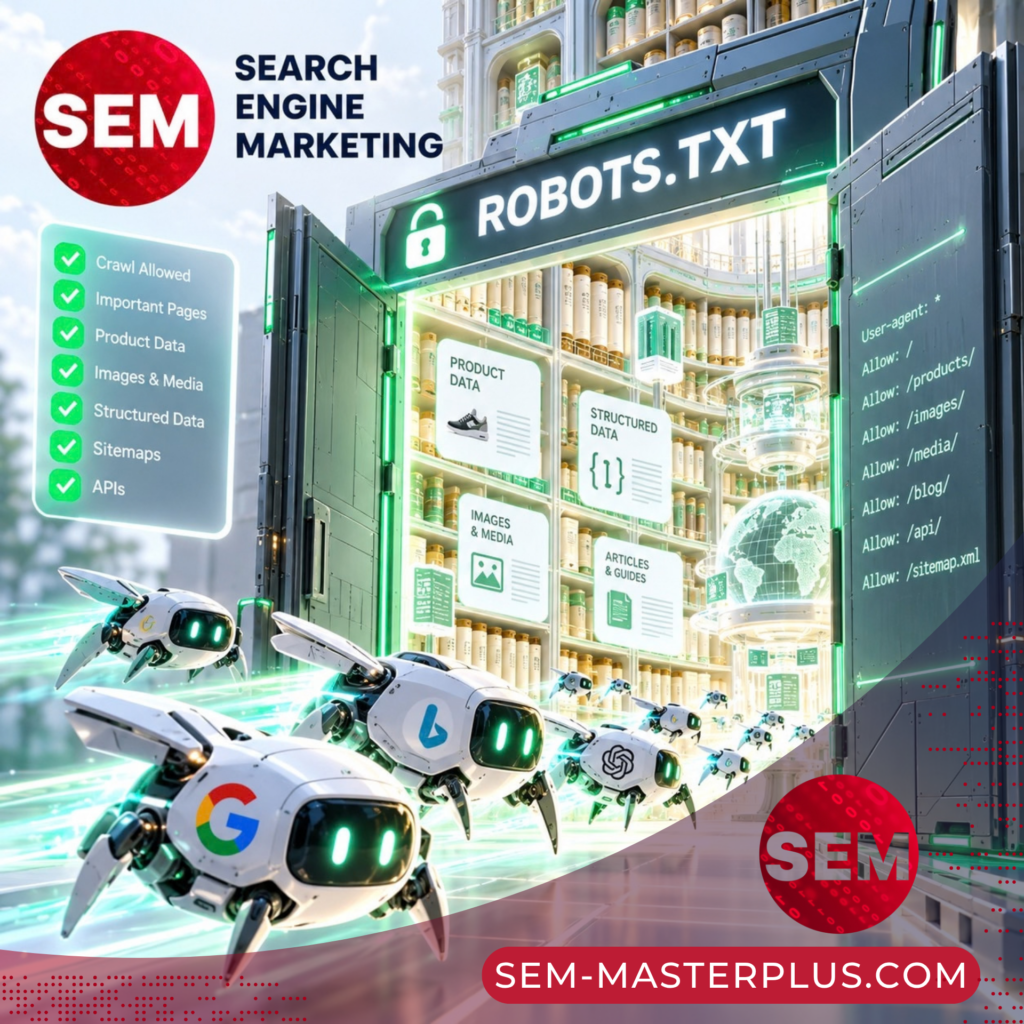
- Audit Crawler Accessibility: Inspect your
robots.txtconfiguration and CDN settings. Ensure access is granted to AI user-agents (GPTBot,PerplexityBot,ClaudeBot,Google-Extended). Provide clean server-side HTML rendering without heavy client-side JavaScript dependencies to speed up retrieval grounding. - Implement Structured Microdata: Deploy deep Schema.org JSON-LD across every template:
OrganizationandLocalBusinesscomplete with registered brand identifiers and verified social profiles.ProductandOfferfor transactional catalogs.FAQPageandHowTomodules for technical support sections.AuthorandPublisherprofiles establishing writer credentials and domain authority.
- Automate Inventory and Catalog Feeds: Connect live product feeds directly to Google Merchant Center and relevant regional shopping platforms. Implement automated inventory reconciliation to avoid penalties in autonomous shopping workflows.
- Publish Primary-Source Data: Shift editorial production away from generic informational articles toward proprietary datasets:
- Empirical case studies featuring budget figures, deployment timelines, and diagnostic charts.
- Granular component comparison matrices.
- Commentary from licensed engineers and technical subject-matter experts.
- Detailed diagnostic guides and implementation documentation.
- Establish the Brand Entity: Anchor your company as a verified entity within open knowledge systems. Maintain updated entries in industry-specific catalogs, register corporate data with Wikidata where applicable, and maintain unified records across all mapping ecosystems.
The rise of generative engines does not eliminate search marketing; it requires an omnichannel data strategy. Manipulating page titles and acquiring low-quality backlinks is obsolete. Sustainable market visibility belongs to organizations that build accessible data pipelines, maintain verified listings across registries, and publish authoritative content grounded in practical experience.
SEM MasterPlus: Clear and structured website promotion